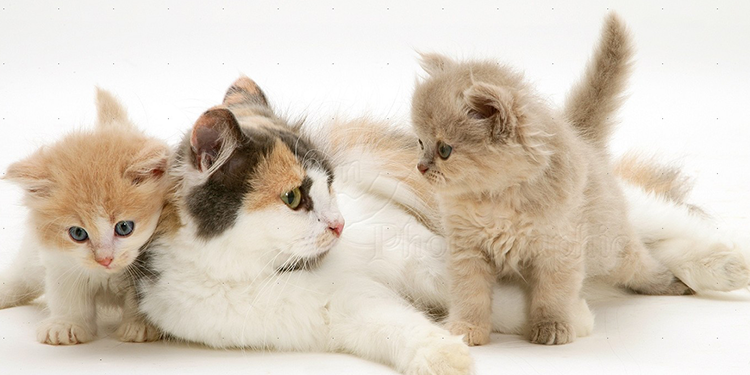
The cat gave birth to a baby, the body is in urgent need of a lot of nutrition. At this stage, the owner needs to know what kind of nutrition to give the cat to supplement nutrition, how to supplement it correctly, and whether to supplement it or not.
Is it essential to replenish nutrients after childbirth?
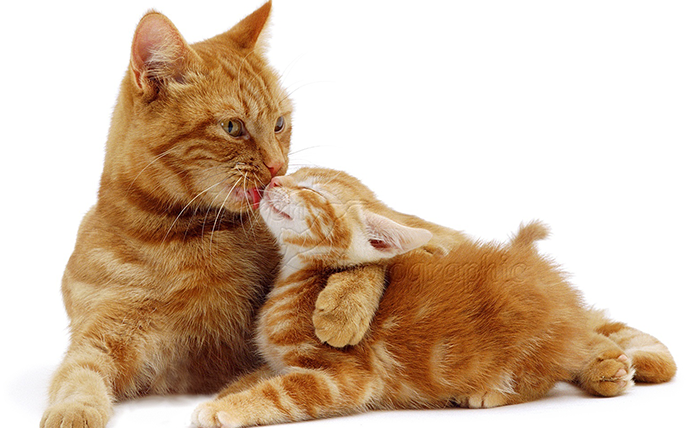
After giving birth, cats enter the lactation period. During this time, their diet must not only meet their own nutritional needs and support a swift postpartum recovery but also sustain milk production, ensuring that their kittens receive healthy, nutrient‑rich mother’s milk. At this stage, if the nutrition does not keep up, it will not only affect the health of the female cat, but also keep up with the nutrition of the kitten.
How to Replenish Nutrition After Childbirth
1 cat food choices for postpartum cats
Lactating cats should eat high-calorie, high-protein, high-fat, and calcium-rich cat food, such as baby cat food, baby mother cat food, or high-quality whole-cat food.
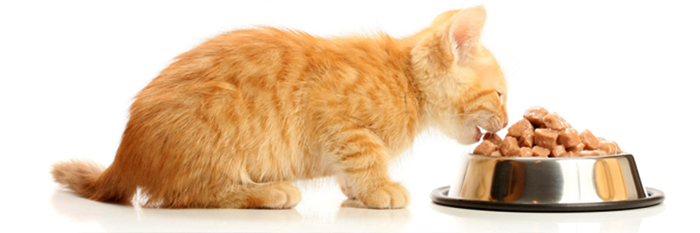
During pregnancy, hormonal changes and the expanding uterus can put pressure on the abdominal cavity, making digestive issues more likely than at other times. Therefore, when choosing cat food, opt for formulas that are primarily made with poultry and are easier to digest.
2 Dietary supplementation is very important.
(1) Postpartum Nourishing Feast
During the nursing period of the cat, the owner can use milk, chicken soup, bone soup, fish soup, spinach and other nutritional supplements to the cat, (food for milk, chicken, bones, fish) to help lactating. But pay attention to chicken soup do not use old hens, too fat chicken, because these chickens contain a lot of estrogen, may affect the cat lactation.
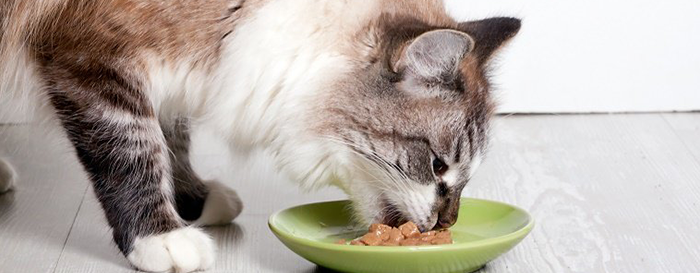
In addition, it should be noted that cats may cause breast blockage if they eat too much protein, so owners should remember that meat should not be fed too much.
(2) Minced Meat Porridge
You can provide nutrient-rich liquid or semi-liquid foods, such as minced meat porridge and soups; these are easy to chew and readily digested and absorbed by the intestines.
(3) Fresh beef, fresh fish
Postpartum, it is necessary to consume ample protein to support cellular regeneration. Beef is rich in protein and essential nutrients such as iron, zinc, and magnesium, which help accelerate tissue repair and replenish blood.
(4) Fresh Fruits and Vegetables
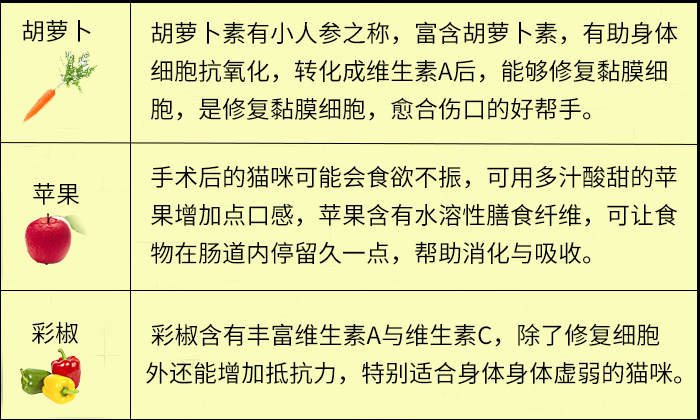
If you want the cat to recover as soon as possible after delivery, you should also give the cat vitamin supplements; you should properly give the cat some fruits and vegetables such as carrot puree and apple puree.
3 Nutritional Supplements
Food supplements alone are not enough. The owner also needs to cooperate with some nutrients to better help the cat's body recover better.
(1) Feeding goat milk powder
Postpartum cats are relatively weak and can be fed with goat milk powder, which can reduce the burden on the cat's intestines and stomach, is easy to absorb, and is rich in protein and other trace elements, which can well supplement the nutrition that cats lack.
(2) Nutritional Paste
Nutrient paste is rich in vitamins, fats, minerals, and other nutrients, boasting an exceptionally high nutrient density. In the process of feeding kittens, most of the nutrition in the body will be drunk by kittens, and the wound recovery of female cats will be relatively slow after childbirth. At this time, the owner can feed the cat properly with nutrition cream to quickly supplement nutrition.
(3) Probiotics
Probiotics can help regulate the intestines and stomach of cats. Cats usually have a decreased appetite and digestive function after production. Therefore, it is recommended that the owner add some probiotics to the cat's diet to improve its gastrointestinal function, promote digestion and absorption, and improve constipation.
(4) Calcium supplementation
Lactating cats are very prone to calcium deficiency, because calcium in the body will be lost with milk. When the cat's blood calcium concentration is too low, symptoms such as convulsions and fever will occur. Postpartum calcium deficiency not only seriously affects the cat's own health, but also affects the development and growth of kittens. Therefore, the owner must not forget to supplement calcium to the lactating cat. If the cat has symptoms of postpartum calcium deficiency, it should suspend lactation and supplement calcium in time, and then breastfeed after the cat has sufficient calcium in the body.
(5) Protein powder
Postpartum cats need to supplement protein when they want to give milk. Food supplement alone is not necessarily enough. At this time, the owner can feed the cat protein powder appropriately.
(6) Fish oil
Fish oil is rich in mineral zinc, which also has a good role in promoting the improvement of cat's body immunity and wound healing.