

The benefits of sterilization
Until now, I can still hear many people say that it is too cruel to sterilize cats and dogs. The reason for supporting this statement is that these people believe that sterilization deprives them of their parental rights and makes them lose the pleasure of mating. However, these statements are from the perspective of human beings, who have a strong attachment to carrying on the family line, which has something to do with our culture. In addition, unlike humans, mating is a purely physiological need for cats and dogs, and they can't enjoy it. Therefore, the reasons of these people are simply untenable.
The benefits of neutering cats to humans are needless to say, not only can they eliminate the heart-rending howls produced by cats when they are in heat, but also have no worries about the placement of newborn kittens.
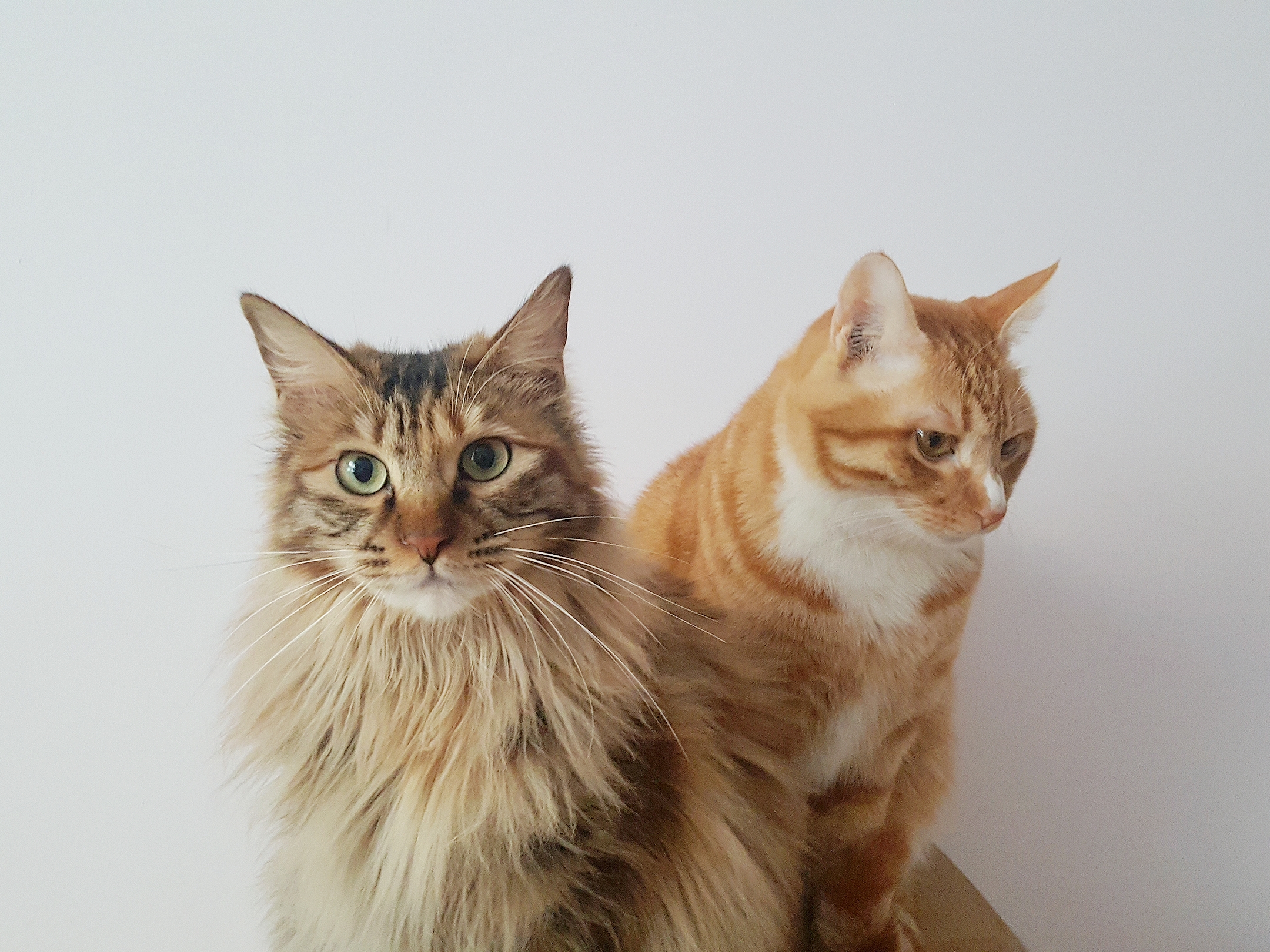
In fact, what I want to focus on is to talk about the benefits of sterilization from the cat's point of view.
Sterilization of female cats can reduce the incidence of ovarian cysts, uterine fibroids and other diseases; sterilization of male cats can avoid testicular tumors, prostate hypertrophy, urinary system occlusion and other diseases caused by cat estrus. In addition, sterilization can not only reduce the risk of disease, but also increase life expectancy. If it is a stray cat, sterilization is even more necessary. First, it can reduce the disorderly reproduction and control the number of stray cats. Second, it can prevent the female cat from suffering from fertility. Many stray cats can not keep up with the nutrition when raising their children. They almost squeeze themselves dry and become terrible paper cats.
In addition, from the current development of science and technology, sterilization is already a very mature surgical project, the shoveling officer only needs to find a reliable and regular hospital, and rest assured that the cat can be handed over to the doctor. Sterilization is really not as terrible as some shoveling officials imagine.
Precautions before operation
But for what could be the biggest operation in a cat's life, the shoveling officer has to take it seriously. To be a responsible shoveling officer, we need to make these preparations before the operation.
1. Ensure that the vaccination is completed
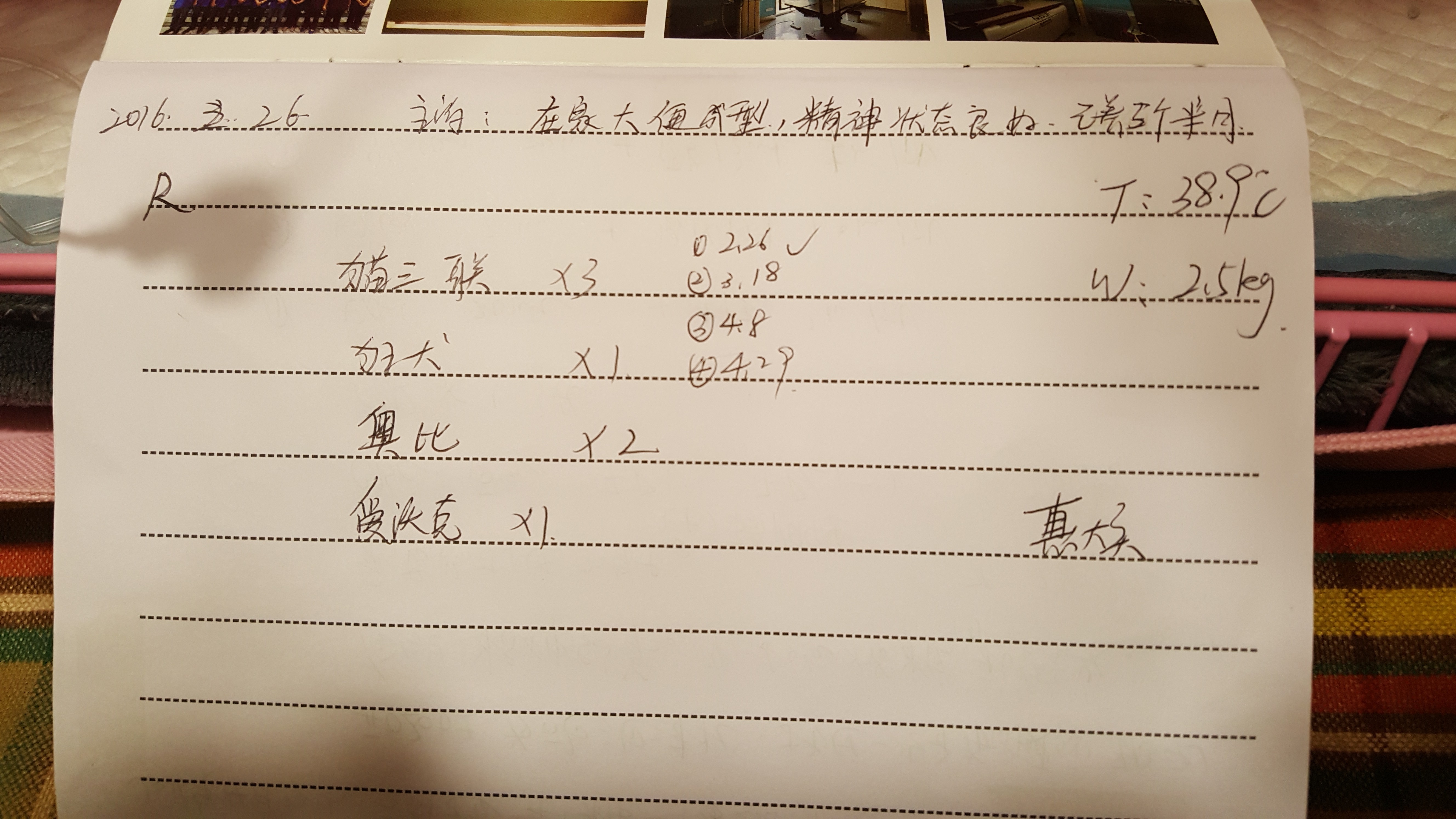
First of all, make sure that the kitten has completed the whole vaccination before the operation, and the best sterilization time is 2 weeks after the vaccination. Completed vaccines can reduce the risk of disease and infection during surgery. For the sake of the safety of the kitten's operation, please do not ignore the importance of the vaccine, and complete the vaccine injection for the kitten in advance at the appropriate time.
2. Receive preoperative physical examination.
It is necessary to have a physical examination before the operation, and the money can not be saved. Some irresponsible hospitals or doctors use low prices to attract shoveling officials, and omit the physical examination before the operation, resulting in complications and death of kittens during the operation. Please be sure to find a regular hospital to assess the health of the cat before the operation and confirm that it can undertake the operation. In addition, the physical examination also has an advantage, through this examination, it is possible to find out some of its potential diseases, so that the shoveling officer can be treated as soon as possible.
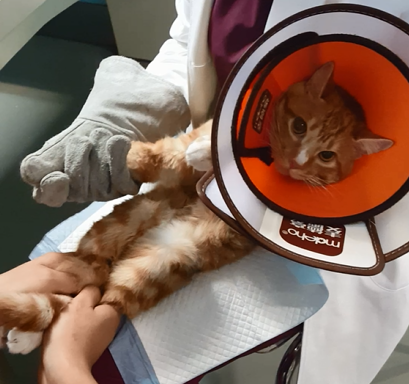
3. Fasting operation is necessary.
The reason for requiring an empty stomach is that during general anesthesia, the larynx and esophagus are paralyzed, anesthetic drugs stimulate the gastrointestinal tract, which may cause vomiting, and if there is food in the abdominal cavity of the cat, it is very easy to choke the trachea and endanger life. So you must shovel shit for the sake of the safety of the kitten, do not secretly feed the kitten because of heartache, this behavior may kill it instead. Generally, feeding is stopped for 6-8 hours before operation, and water is forbidden for 4-6 hours before operation.
Before we have an operation, we usually take bags of things to the hospital for use during hospitalization. Although cats don't need to do much surgery, they still need to prepare a few things.
Preoperative preparations
1. Elizabeth Circle
Both male and female cats should wear this ring after surgery to prevent them from licking the wound and causing infection. Some hospitals will provide it free of charge, but some hospitals need to buy it. It is suggested that the shoveling officer prepare a size suitable for the neck of the little master, so as not to find that the existing size is not suitable when he arrives at the hospital.
2. Travel bag
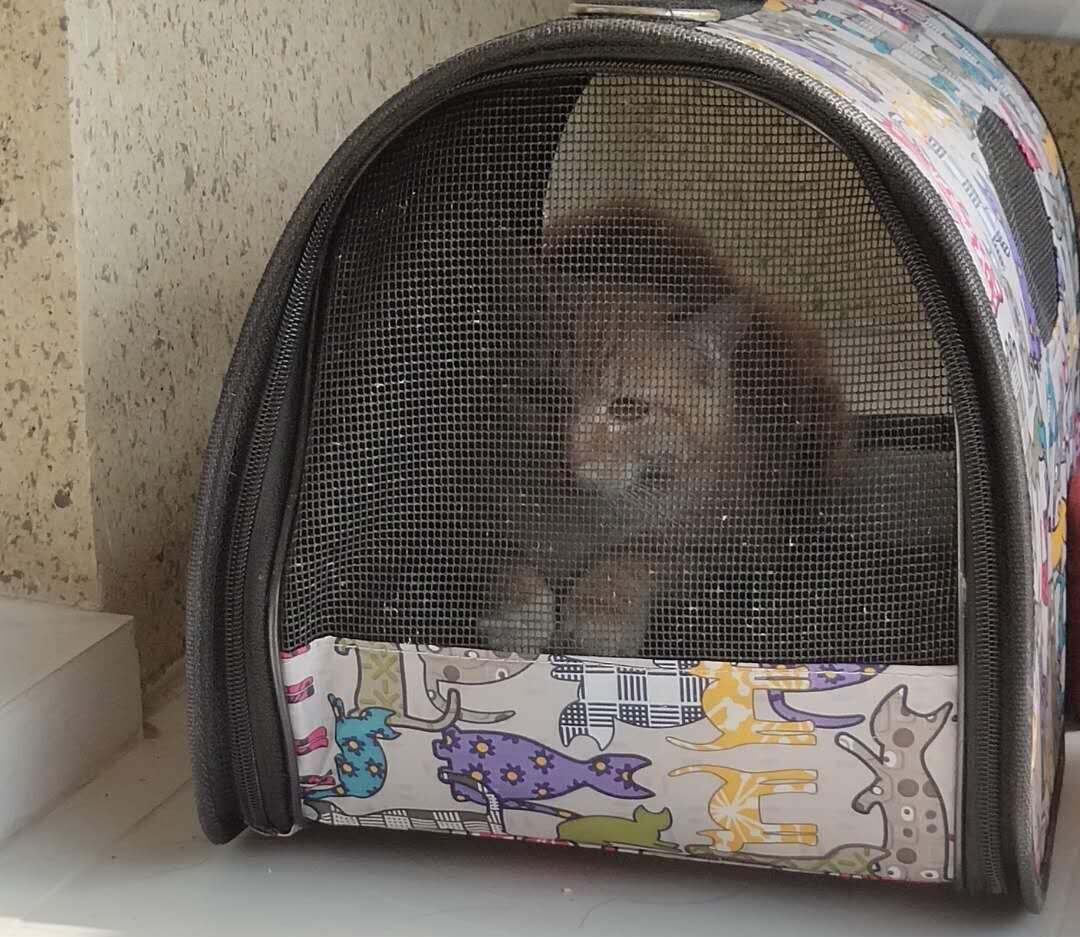
I have really seen people come with their cats in their arms. It is too dangerous. Be sure to prepare a travel bag. Wild people do not recommend using the air box, because Taotao used the air box when he went to the hospital. But because there are many air holes in the box, Taotao refused to come out because he was too afraid. He clasped the box with his paws and took a long time to get it out. Choose a strong travel bag or a space bag.
3. Make an appointment in advance
Because the kitten needs to be hospitalized after sterilization, it needs to confirm the "bed" with the hospital in advance, so as not to run to the hospital because the bed is full and run in vain.
Surgical risk
Since it is an operation, even if it is mature again, the responsible doctor will still explain to the shoveling officer what the risks of the operation are. This does not mean that the risk described by the doctor is a general situation, but only a routine notification. Now I'm going to explain to you what the risks are.
1. Postoperative pain.
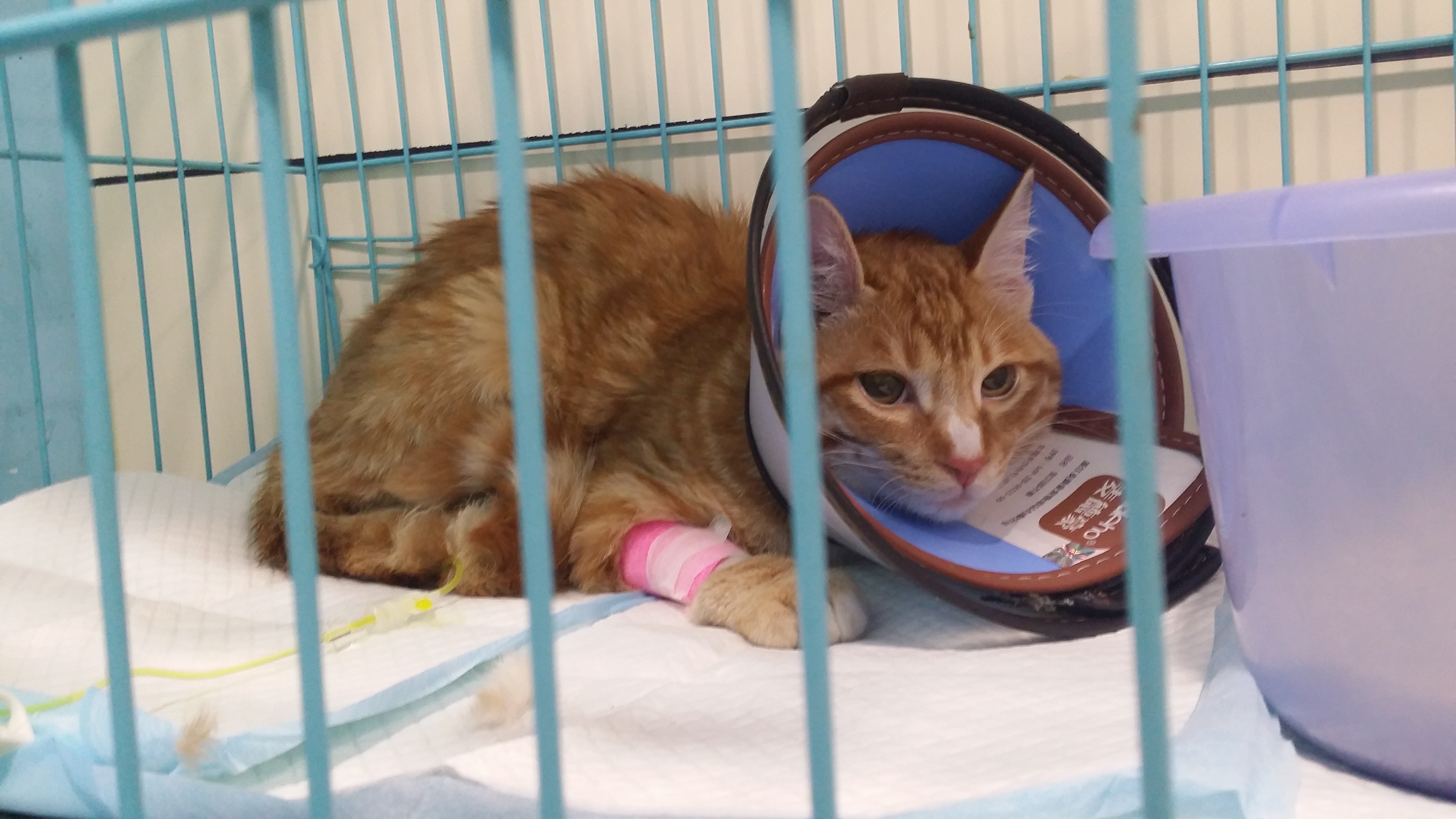
After surgery, kittens generally feel pain. We can judge by their posture. After surgery, kittens often use curled up lying position to hide in the corner and do not want to eat. This condition may last for one to three days, and if the kitten's pain is very severe, it can be relieved by giving it a painkilling injection or taking painkillers.
2. Swelling, congestion and congestion of scrotum.
The vast majority of kittens need to rest in a hospital cage for about 7 days after surgery before they can leave the hospital. The reason why they should stay in the cage is to prevent scrotal swelling and congestion caused by their random running or strenuous exercise.
3. Infection may occur at the wound site.
Keeping a cat in a cage with an Elizabeth ring can also prevent infection caused by licking the wound. Once the wound is red, swollen or suppurated, it must be invaded by bacteria and should be treated by a doctor in time.
4. Excessive bleeding may occur after operation.
A small amount of blood may flow out after the operation, but a large amount of bleeding must be paid attention to, which may be a problem of coagulation function, or a wound tear.
5. Renal failure.
This phenomenon often occurs in elderly cats, so the physical examination before surgery is particularly important at this time, through the examination can confirm whether the kitten suffers from congenital kidney defects and diseases, in order to avoid deterioration and death during surgery.
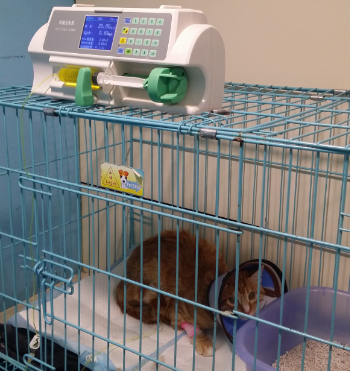
The above is about the preparation before the sterilization operation, and the next part will continue to introduce the experience of nursing during and after the operation.
The above is a personal experience, for reference only.